Living independently isn’t just about completing daily tasks – it’s about having the confidence, knowledge and support to make choices, participate in the community and achieve personal goals.
For many people living with disability, developing everyday life skills is an important step towards greater independence and improved quality of life. That’s where NDIS support workers play a vital role.
Rather than doing everything for participants, skilled support workers focus on building confidence, encouraging independence and providing practical guidance that helps participants develop skills they can use every day.
Here’s how support workers help participants build everyday life skills and why this support is so valuable.
What Are Everyday Life Skills?
Everyday life skills are the practical abilities people use to manage daily living, make decisions and participate in their community.
Depending on a participant’s goals, these skills may include:
- Personal care and hygiene
- Preparing healthy meals
- Grocery shopping
- Budgeting and managing money
- Household cleaning
- Laundry and home organisation
- Using public transport
- Attending appointments
- Building communication skills
- Developing social confidence
Every participant’s journey is different, which is why life skills support is tailored to individual needs and goals.
Building Confidence Through Practical Support
One of the most valuable aspects of support work is helping participants build confidence.
Instead of completing tasks on someone’s behalf, support workers encourage participants to become actively involved in the process.
For example, rather than doing the grocery shopping for a participant, a support worker might help them:
- Prepare a shopping list
- Compare prices
- Follow a budget
- Navigate the supermarket
- Make healthy food choices
Over time, these experiences help participants feel more capable and independent.
Encouraging Greater Independence
Developing everyday skills allows participants to take greater control over their lives.
As confidence grows, many participants become more comfortable making decisions, trying new experiences and completing tasks with less support.
This increased independence can lead to:
- Greater self-confidence
- Improved decision-making
- Increased community participation
- Stronger problem-solving skills
- Better overall wellbeing
The goal is always to empower participants, not create dependence.
Supporting Community Participation
Everyday life skills extend beyond the home.
Support workers also help participants build the confidence to engage with their local community by supporting activities such as:
- Catching public transport
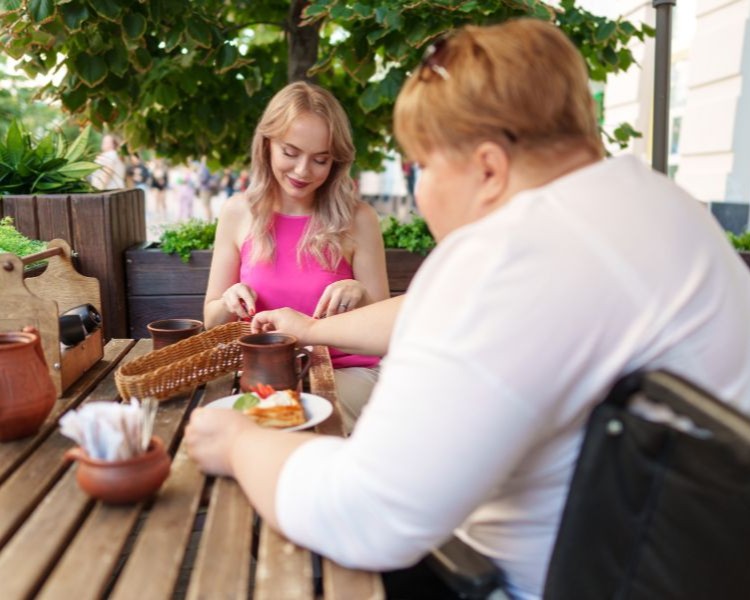
- Visiting cafés and shops
- Attending community events
- Joining sporting or social groups
- Volunteering
- Accessing local services
These experiences help participants develop meaningful connections while building confidence in new environments.
Developing Social and Communication Skills
For some participants, developing communication and social skills is just as important as learning practical daily tasks.
Support workers can assist by helping participants:
- Start conversations
- Build friendships
- Develop confidence in social settings
- Practise communication strategies
- Participate in group activities
Positive social experiences contribute to improved confidence, emotional wellbeing and a stronger sense of belonging.
Working Towards NDIS Goals
Every NDIS participant has individual goals, and support workers play an important role in helping achieve them.
Whether the goal is to live more independently, gain employment, improve health or become more active in the community, everyday life skills often form the foundation for long-term success.
Support is always guided by the participant’s NDIS plan and personal aspirations.
Personalised Support Makes the Difference
No two participants are the same.
Some people may want to learn cooking skills, while others may focus on building confidence using public transport or managing appointments independently.
A personalised approach ensures support is tailored to each participant’s abilities, preferences and goals, allowing them to progress at their own pace.
Creating Meaningful, Long-Term Outcomes
The benefits of life skills development extend well beyond daily routines.
As participants become more independent, they often experience:
- Increased confidence
- Greater choice and control
- Improved self-esteem
- Better mental wellbeing
- Stronger community connections
- Enhanced quality of life
Small achievements often lead to significant long-term outcomes.
The Importance of the Right Support Worker
A positive relationship between a participant and their support worker is essential.
The best support workers are patient, encouraging and genuinely committed to helping participants achieve their goals.
By building trust and working collaboratively, they create a supportive environment where participants feel empowered to learn, grow and gain greater independence.
Empowering Participants to Live More Independently
Support workers do far more than assist with everyday tasks. They help participants develop practical life skills, build confidence and work towards greater independence at their own pace.
At AYS, our dedicated support workers focus on empowering participants to achieve their goals, develop meaningful life skills and live more independent, fulfilling lives.